
人类健康与益生菌
Human Health and Probiotics
–
人类健康与益生菌之间存在密切关系,益生菌通过调节肠道微生态平衡、支持免疫功能、参与代谢过程等多种机制,对人体健康产生重要影响。
Human health and probiotic work together intimately, it balances the gut microbiota, supports immune function, and participates in metabolism and other many mechanisms.
益生菌与人体呼吸道
●肠道-肺轴(Gut-Lung Axis)
-肠道菌群通过免疫信号分子(如细胞因子、短链脂肪酸)与肺部免疫系统交互。健康的肠道菌群可促进肺部免疫平衡,降低呼吸道感染和过敏风险。 -免疫激活:益生菌(如乳酸杆菌、双歧杆菌)刺激肠道免疫细胞分泌IgA抗体和抗炎因子(如IL-10),增强全身免疫力。
-减少炎症:通过抑制NF-κB通路,降低肺部过度炎症反应(如哮喘、慢性阻塞性肺病)。
●增强呼吸道屏障功能
益生菌可能通过代谢产物(如丁酸)增强呼吸道黏膜屏障,减少病原体(如流感病毒、肺炎链球菌)的黏附和入侵。
●对呼吸道感染的作用
①预防上呼吸道感染(如感冒、流感)
多项临床研究表明,特定益生菌(如 **鼠李糖乳杆菌LGG**、 **嗜酸乳杆菌NCFM**)可:降低感冒发生频率和持续时间; 减少抗生素使用需求(如儿童中耳炎或鼻窦炎)。
②抑制病毒和细菌感染
抗病毒:益生菌分泌的代谢物(如乳酸、过氧化氢)可直接抑制病毒复制(如流感病毒、呼吸道合胞病毒);
抗菌:竞争性抑制病原体(如肺炎链球菌)在呼吸道定植。



Probiotics and the Human Respiratory System
●Gut-Lung Axis
– The gut microbiota interacts with the pulmonary immune system through immune signaling molecules (e.g., cytokines, short-chain fatty acids). A healthy gut microbiome promotes lung immune balance, reducing the risk of respiratory infections and allergies.
– Immune Activation: Probiotics (e.g., Lactobacillus, Bifidobacterium) stimulate gut immune cells to secrete IgA antibodies and anti-inflammatory factors (e.g., IL-10), enhancing systemic immunity.
– Reduced Inflammation: By inhibiting the NF-κB pathway, probiotics help mitigate excessive lung inflammation (e.g., in asthma and chronic obstructive pulmonary disease, COPD).
●Strengthening Respiratory Barrier Function
Probiotics may enhance the respiratory mucosal barrier through metabolites (e.g., butyrate), reducing the adhesion and invasion of pathogens (e.g., influenza virus, Streptococcus pneumoniae).
●ffects on Respiratory Infections
①Preventing Upper Respiratory Infections (e.g., Common Cold, Flu)
– Clinical studies show that specific probiotics (e.g., Lactobacillus rhamnosus GG (LGG), Lactobacillus acidophilus NCFM) can:
– Reduce the frequency and duration of colds;
– Decrease the need for antibiotics (e.g., in children with otitis media or sinusitis).
②Inhibiting Viral and Bacterial Infections
– Antiviral Effects: Probiotic metabolites (e.g., lactic acid, hydrogen peroxide) directly suppress viral replication (e.g., influenza virus, respiratory syncytial virus, RSV).
– Antibacterial Effects: Competitive exclusion of pathogens (e.g., Streptococcus pneumoniae) colonizing the respiratory tract.
益生菌与肠道健康
Probiotics and Intestinal Health

●维持肠道菌群平衡
益生菌通过竞争性抑制有害菌的生长(如致病性大肠杆菌、沙门氏菌),防止肠道菌群失调。
●改善肠道屏障功能
促进肠道黏液分泌,增强肠上皮细胞间的紧密连接,减少“肠漏”(肠道通透性增加)。
●缓解肠道疾病
减轻腹泻、改善肠易激综合征(IBS)症状(腹胀、腹痛)、辅助治疗炎症性肠病 (IBD,如溃疡性结肠炎)。
●Maintaining gut microbiota balance
Probiotics actively inhibit the growth of harmful bacteria (such as pathogenic Escherichia coli and Salmonella) to prevent gut microbiota imbalance.
●Improve the function of intestinal barrier
Promote intestinal mucus secretion, enhance connection between intestinal epithelial cells, and reduce intestinal leakage’ (increased intestinal permeability).
●Relieve intestinal diseases
Ease diarrhea, improve symptoms of irritable bowel syndrome (IBS) (bloating, abdominal pain), and assist the treatment of inflammatory bowel disease (IBD), such as ulcerative colitis.t
益生菌与免疫系统
Probiotics and the Immune System
●免疫调节
刺激肠道相关淋巴组织,增强免疫细胞活性。促进分泌型igA的产生,增强黏膜免皮。抑制病原体定植,降低呼吸道感染、泌尿生殖道感染风险。
●Immune regulation
Stimulates intestinal associated lymphoid tissue and enhances immune cell activity. Promote the production of secretory IgA and enhance mucosal immunity. Inhibit pathogen colonization, reduce the risk of respiratory and urogenital infections.

益生菌与代谢健康
Probiotics and Metabolic Health

●肥胖与糖尿病
调节肠道菌群结构,减少内毒素血症,促进短链脂肪酸产生,改善血糖和血脂代谢。
●Obesity and diabetes
Regulate the structure of gut microbiota, reduce endotoxemia, promote the production of short chain fatty acids, and improve blood glucose and lipid metabolism.
●心血管健康
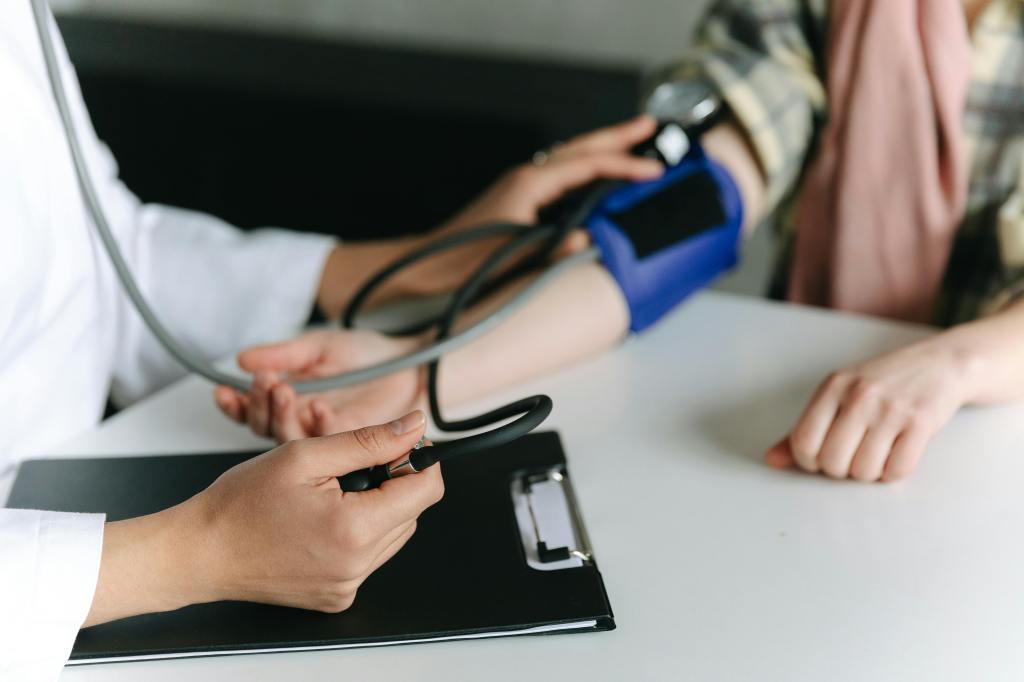
降低胆固醇、调控血压。
●Cardiovascular Health
Reduce cholesterol and regulate blood pressure.
益生菌与脑-肠轴
Probiotics and the Brain Intestinal Axis

●双向调控
通过产生神经递质体(如5-羟色胺、GABA)影响大脑功能,改善焦虑、抑郁症状,通过研究进一步延緩阿尔茨海默病,帕金森病等神经退行性疾病。
●Gut brain Dual-control regulation
By producing neurotransmitter precursors, such as serotonin and GABA, it affects brain function and improves symptoms of anxiety and depression. Deferring neurodegenerative diseases such as Alzheimer’s disease and Parkinson’s disease.
益生菌与其他健康
Probiotics and other health benefits

●女性健康
預防陰道念珠菌感染,維持陰道菌群平衡
●Women’s Health
Prevent vaginal candidiasis and maintain vaginal microbiota balance.
●口腔健康
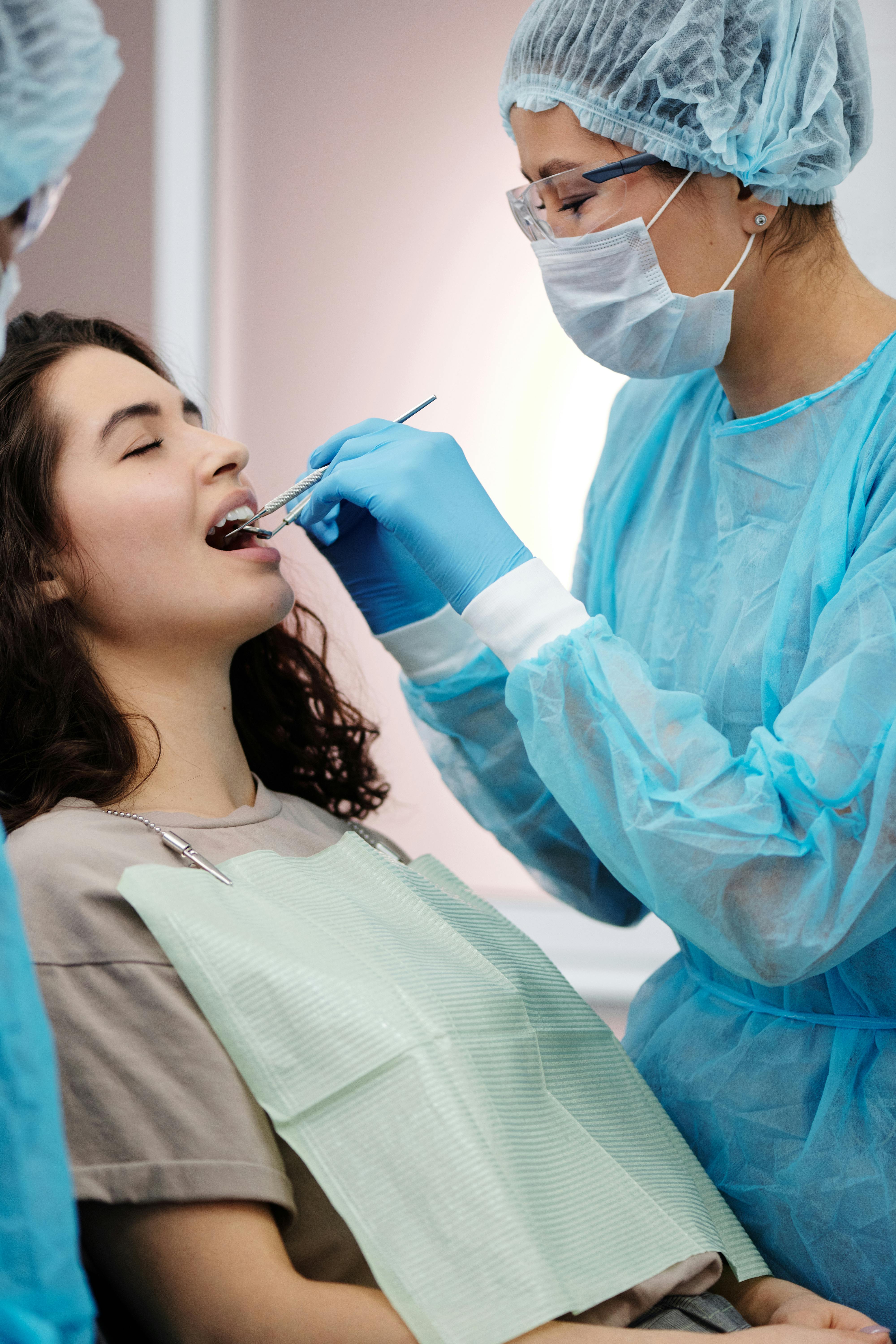
抑制致齲菌(如变形链球菌),减少牙周病
●Oral health
Inhibit cariogenic bacteria (such as Streptococcus mutans) and reduce periodontal disease.

●皮肤健康
緩解特应性皮炎,緩解过联反应。
●Skin Health
Relieve atopic dermatitis and alleviate allergic reactions.


动物与益生菌-养殖业中的应用
●提高动物健康水平
– 调节肠道菌群平衡(如乳酸菌、双歧杆菌),减少腹泻和肠道感染。
– 增强免疫力,降低抗生素使用,减少耐药性问题。
●提升饲料利用率
– 益生菌(如酵母菌、芽孢杆菌)产酶(蛋白酶、纤维素酶),促进饲料消化吸收。
– 减少氨气、硫化氢等有害气体排放,改善养殖环境。
●环保减排
– 处理动物粪便中的有机物,降低污染;益生菌堆肥加速粪便发酵,减少病原菌传播。
Application of Probiotics in Animal Husbandry
●Improving Animal Health
-Balancing gut microbiota: Probiotics (e.g., Lactobacillus, Bifidobacterium) help maintain intestinal microbial balance, reducing diarrhea and infections.
-Boosting immunity: They enhance immune function, decreasing reliance on antibiotics and mitigating antibiotic resistance issues.
●Enhancing Feed Efficiency
– Enzyme production: Probiotics (e.g., yeast, Bacillus) secrete enzymes (proteases, cellulases), improving feed digestion and nutrient absorption.
– Reducing harmful emissions: They decrease ammonia and hydrogen sulfide emissions, enhancing the farming environment.
●Environmental Sustainability
– Manure treatment: Probiotics break down organic matter in animal waste, reducing pollution.
– Composting acceleration: They speed up manure fermentation while suppressing pathogen spread.
植物与益生菌-种植业中的应用
●促进植物生长
– 益生菌(如根瘤菌、菌根真菌)可帮助植物固定氮、溶解磷钾等元素,减少化肥依赖。
– 分泌生长激素(如IAA、赤霉素),刺激根系发育,提高养分吸收效率。
●增强抗病能力
– 竞争性抑制病原菌(如枯草芽孢杆菌分泌抗菌肽),减少土传病害(枯萎病、根腐病等)。
– 诱导植物系统抗性(ISR),激活防御基因表达。
●改善土壤健康
– 分解有机质,增加土壤腐殖质含量,改善团粒结构。
– 降解农药残留(如假单胞菌分解有机磷农药)和重金属(如某些菌种吸附或转化镉、铅)。
Plants and Probiotics – Application of Probiotics in Plant Cultivation
●Promoting Plant Growth
– Nitrogen-fixing and nutrient solubilization: Probiotics (e.g., rhizobia, mycorrhizal fungi) help plants fix nitrogen and solubilize phosphorus and potassium, reducing reliance on chemical fertilizers.
– Growth hormone secretion: They produce phytohormones (e.g., IAA, gibberellins), stimulating root development and improving nutrient uptake efficiency.
●Enhancing Disease Resistance
– Competitive pathogen suppression: Beneficial microbes (e.g., Bacillus subtilis secreting antimicrobial peptides) inhibit soil-borne pathogens, reducing diseases like fusarium wilt and root rot.
– Induced Systemic Resistance (ISR): They activate plant defense genes, strengthening immunity.
●Improving Soil Health
– Organic matter decomposition: Probiotics enhance humus content and soil structure, improving aggregate stability.
– Pollutant degradation: Certain strains (e.g., Pseudomonas spp.) break down pesticide residues (e.g., organophosphates) and immobilize heavy metals (e.g., cadmium, lead) through adsorption or transformation.


环境与益生菌
Application of Probiotics in Environmental Management

●农业废弃物资源化
– 加速秸秆、畜禽粪便的堆肥发酵(如EM菌),生成高效有机肥。
– 分解木质素、纤维素等难降解物质,缩短处理周期。
●Agricultural Waste Recycling
– Accelerating composting: Probiotics (e.g., EM microbes) enhance the fermentation of crop straw and livestock manure, converting them into high-efficiency organic fertilizer.
– Breaking down tough organic matter: They decompose lignin, cellulose, and other hard-to-degrade compounds, shortening processing time.
●污染治理
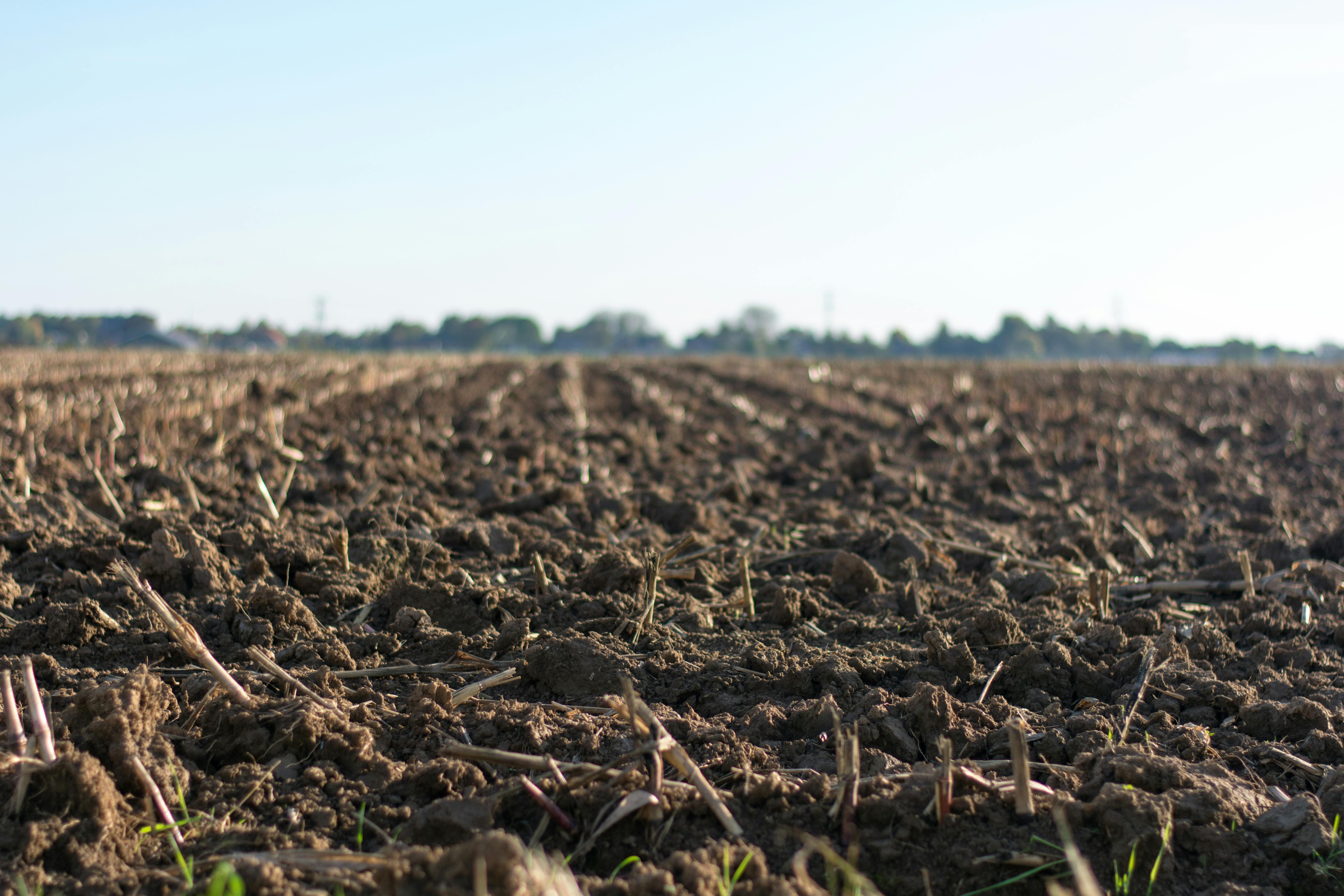
– 修复重金属污染土壤(某些菌种通过生物吸附或氧化还原降低毒性)。
– 处理养殖废水,降解有机物(如光合细菌净化水质)。
●Pollution Remediation
– Heavy metal soil remediation: Certain microbial strains reduce toxicity through bioadsorption or redox reactions (e.g., immobilizing cadmium, lead).
– Wastewater treatment: Probiotics (e.g., photosynthetic bacteria) degrade organic pollutants, improving water quality in aquaculture and livestock farming.
 迈泊生物科技